By far the best meal I’ve had in Korea! Each piece of pork is grilled to crispy perfection, and the presentation was excellent. Highly recommend this place if you are visiting Jeju!
Overview
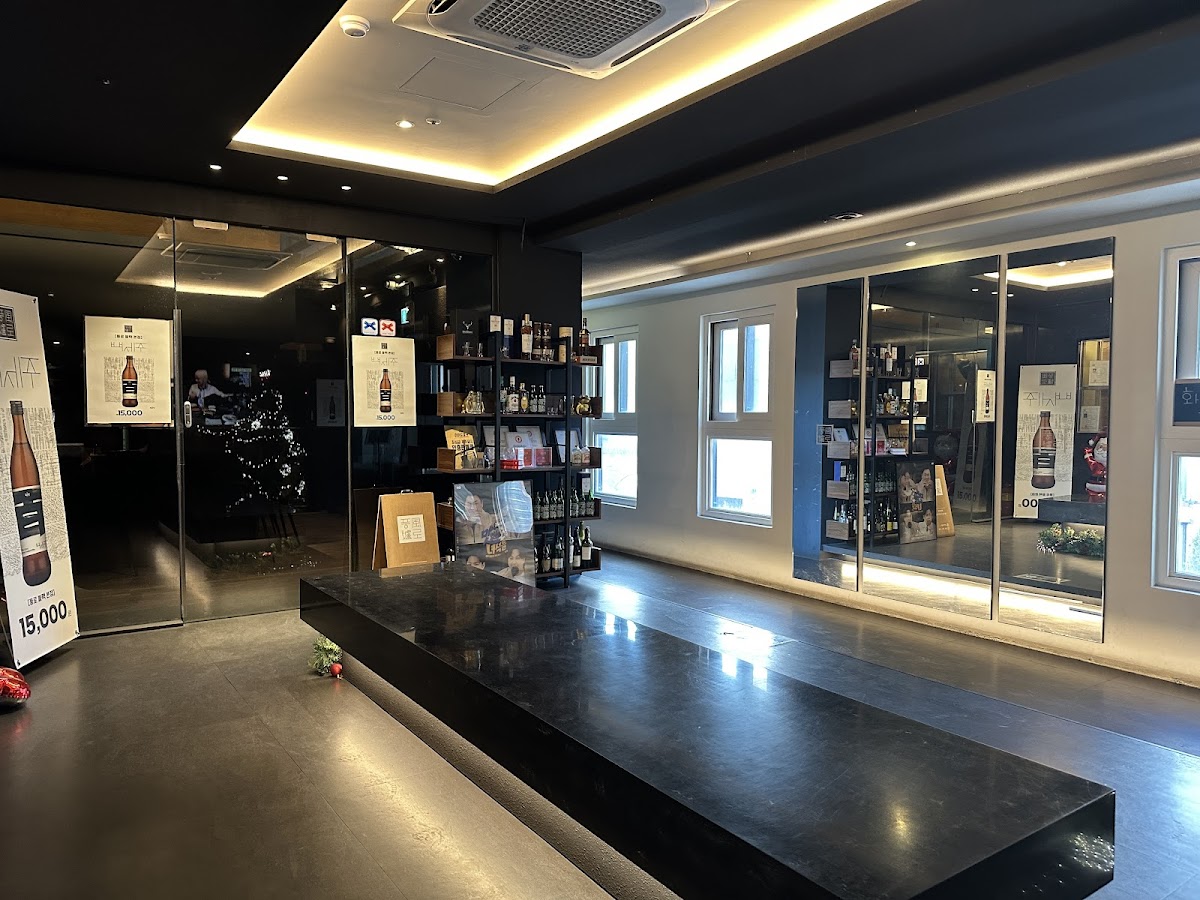
Walking in, the atmosphere is relaxed and practical. Tables are spaced for conversation, not quick turnover, and the menu is written with clarity rather than flair. That alone says a lot. In Jeju, diners like this often focus on balance-hearty portions, familiar flavors, and ingredients that come from nearby farms or coastal suppliers. According to the Korea Tourism Organization, over 60% of travelers to Jeju list local food as a key reason for returning, and places like this explain why. You’re not guessing what you’ll get; you’re trusting a process that’s been repeated and refined over time.
The menu covers classic Korean comfort dishes that work equally well for solo meals or shared tables. What stood out during my visit was how efficiently everything moved from kitchen to table. Orders came out hot, cleanly plated, and clearly timed with intention. That kind of flow doesn’t happen by accident. In professional kitchens, especially in smaller diners, consistency usually comes from a tight prep routine-early ingredient washing, portion control, and sauces made in batches rather than on the fly. You can taste that preparation in each dish because nothing feels rushed or uneven.
Reviews from local diners often mention how reliable the food is, and reliability is underrated. A 2023 hospitality study published by Cornell University showed that repeat restaurant visits are driven more by consistency than novelty. Poongro fits that finding perfectly. You don’t come here for surprises; you come because you know the flavors will land where you expect them to. That’s also why families and older residents seem comfortable here, mixing naturally with travelers who did a bit of homework before leaving their hotel.
What I appreciate most is that Poongro doesn’t pretend to be anything other than what it is. There’s no overpromising, no theatrical storytelling attached to the dishes. The staff answers questions directly, and if something runs out, they’ll tell you honestly instead of improvising. That kind of transparency builds trust fast. The only limitation is that English explanations can be brief, so international visitors may want to point at the menu or use a translation app. Even then, patience on both sides usually bridges the gap.
Among Jeju diners, places like this hold quiet authority. They don’t need awards or viral posts to stay busy. They rely on daily regulars, word-of-mouth reviews, and a menu that does its job well. If you’re exploring local restaurants and want something grounded, filling, and genuinely Jeju in spirit, this is the kind of stop that ends up anchoring your day without trying to.
Good to know
Service options
✓ Dine-in ✓ Delivery ✓ TakeawayPopular for
✓ Lunch ✓ DinnerOfferings
✓ Alcohol ✓ Beer ✓ Private dining room ✓ Spirits ✓ WineDining options
✓ Lunch ✓ Dinner ✓ Dessert ✓ Table serviceAmenities
✓ ToiletAtmosphere
✓ Trendy ✓ UpmarketCrowd
✓ Groups ✓ TouristsPlanning
✓ Reservations required ✓ Dinner reservations recommended ✓ Accepts reservationsPayments
✓ Credit cards ✓ Debit cards ✓ NFC mobile paymentsParking
✓ Free of charge street parking ✓ Free parking lot ✓ ParkingPhotos
1 / 4
Location
Reviews
- No ratings yet 190 reviews
It's very very nice!! Meat cuts and combination that I haven't really tried elsewhere! Recommended!!
Great food and service. Its a must to make a reservation (with kwr 30,000 deposit). The chef cooks and roasts pork carefully to present the best. Every single bite is perfectly.
Perfect combination of a great atmosphere, delicious food, and high-quality ingredients. The chef’s warm hospitality makes the experience even more enjoyable. If you’re visiting Jeju, make sure to stop by for a meal!
Exceptional experience at Poongro Black with the Jeju pork omakase Our host and cook was super patient and accommodating, always keeping an eye on our needs and wants Come here if you want to try all the best of Jeju pork from different cuts to methods of preparation Recommended
Had a great experience served by Jake who has very knowledgeable on the black pork cuts and cooked them perfectly. Will definitely recommend and come back! Thank you Jake :)
A butakase (omakase for black pork) experience. You have to pay 30,000kwn per person to book reservations in advance. It’s a small little restaurant where everyone is lined on to the bar and a few tables to the side. Chefs cook for you and explain your meal through out. A lot of pork can be overwhelming so they give different items in between to break that up and it was perfect. Some items were alright like the soba, rice tea, and soup. Everything else was great. It was definitely an experience that I enjoyed personally. All the cuts were marvelous and so tender!
The most amazing pork I've ever had! They cook it in front of you in courses paired with vegetables and mushroom. Everything was just cooked to perfection, i couldn't choose which one was better than the other, wxcept maybe for the piece de resistance which was the samgyupsal which was sublime!!!! Definitely a must visit!!! We got there late because we mistook the branch but they still accommodated us. Which was amazing. The person who served us was so thoughtful, taking the time to use his phone to translate and explain when he didn't know the english term, he was lovely!! Atmosphere is amazing once you get there as well. All in all it was a beautiful and memorable dinner in Jeju.